
Digital Printing vs. Traditional Methods: Which is Right for You?


In the world of printing, choosing the right method can make a significant impact on your project's cost, quality, and turnaround time. With various options available, understanding the differences between digital printing and traditional methods is crucial for making the best decision for your needs.
Understanding Digital Printing
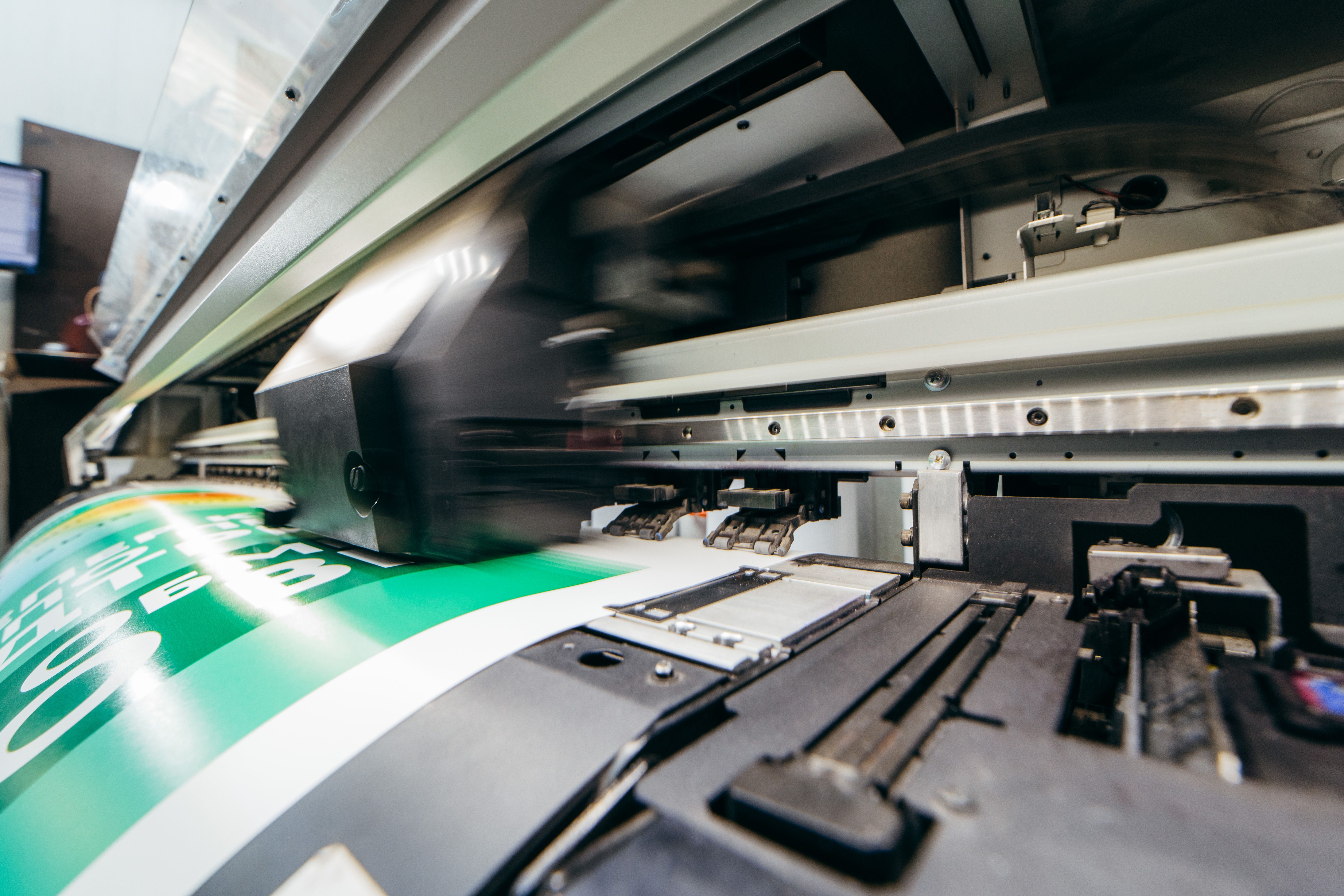
Digital printing involves transferring a digital image directly onto a variety of media. This method has gained popularity due to its versatility and speed. One of the most significant advantages of digital printing is its ability to produce small runs cost-effectively, making it ideal for personalized and customized projects.
Digital printing is known for its quick setup time, making it a go-to choice for projects with tight deadlines. Additionally, it offers excellent color accuracy and consistency, ensuring that each print matches your original design closely.
Benefits of Digital Printing
- Speed: Quick turnaround times for urgent projects.
- Flexibility: Ideal for short runs and customizations.
- Consistency: High color accuracy and uniformity.
Exploring Traditional Printing Methods
Traditional printing methods, such as offset and screen printing, have been used for decades and are known for their high-quality output, especially for large-scale projects. These methods involve creating plates or screens, which can be more time-consuming and costly for small runs.
Offset printing, for example, is renowned for its ability to produce sharp, vibrant colors and is often used for high-volume projects. It's an excellent choice when you need to print thousands of copies with consistent quality.

Advantages of Traditional Methods
- Quality: Superior image quality for large volumes.
- Cost-Effectiveness: Economical for high-volume projects.
- Durability: Long-lasting prints.
Comparing Costs
When choosing between digital and traditional printing, cost is a significant factor. Digital printing generally offers lower initial costs, making it suitable for small runs or one-off prints. However, as the volume increases, traditional methods often become more cost-effective.
Furthermore, the setup costs associated with traditional printing can be a deterrent for those with smaller budgets, while digital printing offers more flexibility in managing costs.
Choosing the Right Method for Your Project
The decision between digital and traditional printing hinges on several factors, including the project's size, budget, and timeline. If you require a small number of prints with quick delivery, digital printing is likely your best bet. On the other hand, for larger projects that demand high quality and consistency, traditional printing may be more suitable.
Consider your specific needs and consult with a professional printing service to determine the best approach. Each method has its own set of strengths, and understanding them will help you achieve the best results for your project.
In conclusion, both digital and traditional printing have their place in the modern world. By assessing your project's requirements and weighing the benefits of each method, you can make an informed decision that meets your objectives effectively.